[TRADE_PLUGIN]BTCUSDT,BTCUSDT[/TRADE_PLUGIN]
As of April 12, 2026, Bitcoin's price action continues to captivate and concern market participants. The premier cryptocurrency has been hovering near the psychologically significant $70,000 level, a zone that has acted as a formidable resistance barrier for approximately 25 days. This extended period of consolidation below a key technical level is now under intense scrutiny. While a breakout above $70,000 might intuitively signal a bullish surge, a growing chorus of analysts, including technical expert Ardi, is sounding a note of caution. The core of their argument hinges on the nature of the consolidation phase. A mere 25-day period of sideways trading below a major resistance level is often considered insufficient for building the robust foundational support necessary to fuel and sustain a genuine, long-term upward trend. This scenario presents a classic market dilemma: a potential false breakout. The concern is that a price close above $70,000, without the backing of a longer, more substantial consolidation, could prove to be a bearish trap—a head-fake that lures in optimistic buyers before a reversal. This dynamic underscores the critical importance of not just price levels, but also the time and structure of market movements. For investors, the current juncture demands a nuanced approach, balancing the recognition of a potential technical breakout with a healthy respect for the warnings about weak underlying structure. The coming days will be pivotal in determining whether Bitcoin can muster the strength for a validated breakout or if the resistance at $70,000 will trigger a period of reevaluation and potential pullback.
Bitcoin's Potential Breakout May Signal Caution for Investors
Bitcoin's recent price action near the $70,000 mark suggests a potential breakout, but analysts warn this could be a bearish signal. The cryptocurrency has spent 25 days consolidating below this key resistance level, a period deemed insufficient for building the strength needed to sustain a new upward trend.
Technical analyst Ardi notes that while a close above $70,000 might appear bullish, the short consolidation period fails to provide adequate foundation for a sustained rally. Market theory suggests longer accumulation phases typically yield stronger trend reversals.
The current pattern mirrors behavior seen during Bitcoin's 55% decline from its peak, raising questions about whether this is truly a reversal or merely a pause in downward momentum. Investors anticipating new highs may find disappointment if the breakout proves premature.
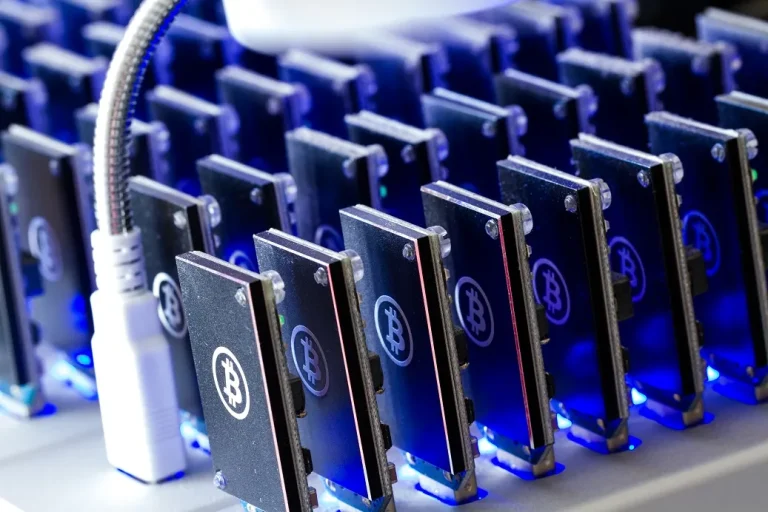
Bitcoin Miners Shift Strategies as Margins Tighten: AI Pivot and BTC Sell-Offs Dominate
Public Bitcoin miners liquidated approximately 15,000 BTC in recent months, signaling a retreat from the once-popular strategy of hoarding the cryptocurrency as a treasury reserve. Cango led the sell-off, divesting 4,451 BTC (60% of its reserves), while Bitdeer emptied its treasury entirely. Riot Platforms and Core Scientific followed suit, with the latter planning to offload 2,500 BTC this quarter.
The mining sector faces squeezed margins due to energy cost volatility, halving-induced revenue pressures, and relentless competition. This has spurred a strategic pivot toward AI infrastructure development—a capital-intensive but high-growth alternative. "Miners are repurposing their industrial-scale operations for AI compute," noted one analyst. "The economics of pure-play Bitcoin mining no longer justify the risk."
Meanwhile, Bitcoin’s price resilience above $60,000 masks underlying fragility in miner balance sheets. The sell-offs, while tactically necessary, risk exacerbating downward pressure on BTC markets already contending with spot ETF outflows and macroeconomic uncertainty.
Bitcoin Emerges as AI's Top Monetary Choice in Cross-Model Study
Bitcoin dominated as the preferred monetary instrument in a groundbreaking experiment by the Bitcoin Policy Institute, outperforming stablecoins and traditional fiat across 9,072 AI model responses. The study tested 36 frontier AI models—including leaders Anthropic and laggard OpenAI—in simulated economic scenarios.
When evaluated across four monetary functions, BTC captured 48.3% of all selections, nearly doubling stablecoins' 33.2% share. Its dominance peaked at 79.1% in long-term store-of-value scenarios, suggesting AI systems recognize Bitcoin's deflationary properties outperform inflationary alternatives.
The research methodology subjected each model to 28 neutral monetary scenarios without cryptocurrency prompts, with responses classified by Claude Haiku 4.5. Notably, no AI model selected fiat currency as its primary preference—a striking indictment of traditional monetary systems.
Bitcoin Adoption Hits Record High Amid Geopolitical Uncertainty
Bitcoin wallets holding non-zero balances have surged to 58.45 million, marking a new all-time high for network participation. This growth coincides with escalating Middle East tensions, as investors increasingly treat BTC as a digital safe haven.
Exchange reserves have plummeted to December 2017 levels, indicating a pronounced shift toward self-custody. Santiment data reveals this dual trend of adoption and cold storage mirrors Bitcoin's maturation as an institutional-grade asset.
Bitcoin Regains Footing as Structural Indicators Signal Potential Breakout
Bitcoin's rebound above $70,000 has injected stability into a market battered by weeks of volatility. Axel Adler's analysis reveals a critical shift: key regime indicators have turned positive simultaneously for the first time since December, suggesting the correction phase may be ending.
The Bitcoin Regime Score—a composite metric tracking taker imbalance, ETF flows, and funding rates—bottomed at -47 in early February, its worst reading in a year. The current recovery to +0.98 took 25 days, notably faster than previous cycles. This acceleration hints at underlying strength despite lingering negative funding rates.
Traders are watching for a decisive breakout, which could materialize if institutional inflows sustain the momentum. The market's ability to absorb selling pressure during this rebound distinguishes it from prior bearish reversals.
Vancouver Shelves Bitcoin Reserve Plan Amid Legal Hurdles
Vancouver's ambitious proposal to allocate municipal reserves to Bitcoin has been formally scrapped after city staff determined the investment violates British Columbia's Municipal Act. The December 2024 motion—spearheaded by Mayor Ken Sim—collided with provincial regulations designed to shield public funds from volatile assets.
Legal advisors cited the Vancouver Charter's strict investment criteria, which excludes cryptocurrencies. The failed initiative also sought to enable crypto-denominated tax payments, a feature already implemented by crypto-friendly jurisdictions like Miami and Lugano.
Market analysts remain divided. While some decry the decision as regulatory inertia, others note that Canadian pension funds and insurers continue exploring blockchain exposure through regulated instruments like Bitcoin ETFs—a compromise Vancouver may revisit.




Log in to Reply
Log in to comment your thoughtsComments